 Local Journalism Initiative
By Sonal Gupta, Local Journalism Initiative, Canada’s National Observer
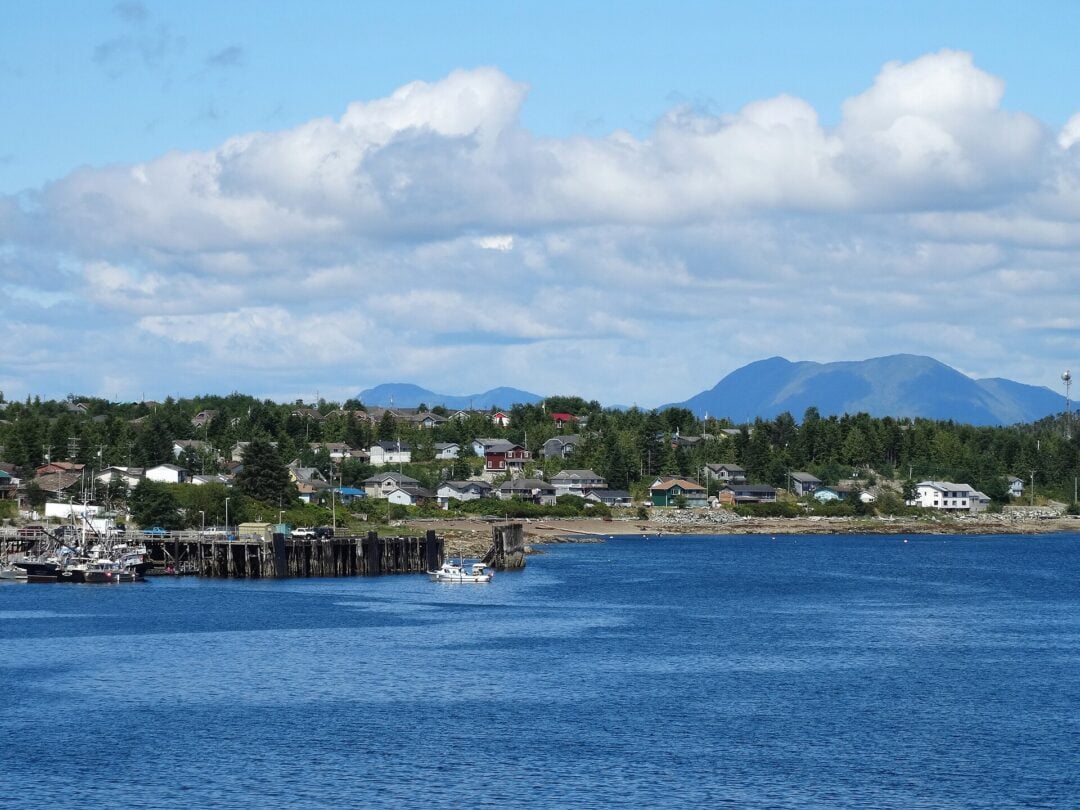
When Heiltsuk Nation Chief Marilyn Slett invited coastal leaders to gather in Bella Bella, BC, she was expecting a potential fight against Alberta’s proposed new oil pipeline to the North Coast. But after a July 2 announcement moved that threat south, they met anyway — to plan for the pressures already building on the ocean.
“We’re not operating from a state of crisis,” said Slett, who is also president of Coastal First Nations. “But we’re not completely future-proof.”
The federal announcement sent Alberta’s proposed West Coast pipeline to the Major Projects Office, with a route expected to largely follow the existing Trans Mountain corridor. It also left the federal North Coast tanker ban in place, easing months of concern among coastal nations that governments could try to reopen waters they fought for years to protect.
“We used the word ‘celebrate’ cautiously. We’re not celebrating that it’s shifted to the south, but that the North Coast is not under that threat.”
Marilyn Slett, Heiltsuk Nation Chief and president of Coastal First Nations
Indigenous leaders from the Central Coast, North Coast, Haida Gwaii and Vancouver Island, along with legal experts and allies, met over the weekend in Heiltsuk territory in Bella Bella, on BC’s Central Coast. They gathered to celebrate their victory in the pipeline battle and plan for long-term pressures facing the coast, including increased ship traffic, climate impacts and ongoing threats to marine life and coastal communities, from declining salmon runs to emergency response gaps.
“We used the word ‘celebrate’ cautiously,” Slett said. “We’re not celebrating that it’s shifted to the south, but that the North Coast is not under that threat.”
Many of the nations at the gathering had organized together once before: against Enbridge’s Northern Gateway pipeline, which was rejected by the federal government in 2016. Slett said that fight left coastal nations with a stronger network, and when speculation grew about a new northern route, they knew they had to be ready.
Unnecessary uncertainty
Gaagwiis Jason Alsop, president of the Haida Nation, said the months of uncertainty over a possible northern route exposed the problem with how major projects are handled.
Coastal nations were preparing to defend their waters before any formal proposal was public, while governments tried to calm concerns and industry waited to see where the project might go.
That uncertainty, he said, could be reduced if governments worked with nations and coastal communities before courting investors or floating routes.
“What we’ve experienced is what appears to be a fragmented planning approach,” Alsop said. “One project is announced or contemplated, and all of the impacts and logistics and the whole picture isn’t being factored in.”
Alsop said the coast needs “master planning”: a long-term approach that weighs development, shipping, emergency response, housing, roads, costs and climate impacts before governments promote new projects.
“There’s this world where attracting capital first seems to be the first step,” he said. “It could go the other way where that alignment happens up front, and then the capital will come with more certainty.”
That kind of planning, both leaders said, is becoming more urgent as the coast gets busier.
LNG Canada began exporting liquefied natural gas from Kitimat in 2025, Cedar LNG is under construction nearby, and Ksi Lisims LNG remains proposed near Pearse Island. LNG Canada is also considering a second phase that could double its export capacity, adding to concerns about more large vessels moving through northern BC waters.
“Our stewardship offices have more boots on the ground — Guardians on the water — than DFO does on the coast, but we know it’s not enough.”
Marilyn Slett, Heiltsuk Nation Chief and president of Coastal First Nations
Slett said coastal nations are worried about the cumulative effects on fish, whales, shorelines and communities that rely on the ocean, as shipping traffic increases and monitoring capacity is already stretched.
“Our stewardship offices have more boots on the ground — Guardians on the water — than DFO does on the coast,” Slett said. “But we know it’s not enough.”
Alsop said the strain is already visible on Haida Gwaii: whales washing ashore, salmon in decline, herring that have not recovered, smaller fish, fewer halibut, coastal erosion, flooding and roads damaged by extreme weather.
At the gathering in Bella Bella, leaders from Haida, Heiltsuk, Gitga’at, Kitasoo Xai’xais, Homalco and other coastal nations compared the pressures appearing in their territories and began discussing a joint declaration grounded in Indigenous laws. Slett said she hopes the work continues with future gatherings hosted by other nations.
“We can rally in defence of our homelands and our territories, and we can also use that same energy to rally in support of what we want to see.”
Gaagwiis Jason Alsop, president of the Haida Nation
Alsop said governments should be investing before marine traffic grows further — in emergency towing vessels, spill response, local training, local pilots and stronger monitoring. If governments want more ships moving through coastal waters, he said, they also need the people, equipment and information to respond quickly when something goes wrong.
He said coastal nations would rather put their energy into building the future they want on the coast: stronger local economies, more stewardship work and development shaped by the people who live there, instead of repeatedly having to organize against projects brought to them after the fact.
“We can rally in defence of our homelands and our territories,” Alsop said. “And we can also use that same energy to rally in support of what we want to see.”