 The Skeena
Premier David Eby travelled to Prince Rupert on July 29 to reaffirm the North Coast crude oil tanker ban in person, telling an audience at the Crest Convention Centre that keeping oil tankers off the north coast is what lets the region build the economy it wants.
“This moratorium on crude oil tankers has existed for more than 50 years,” Eby said, according to the Terrace Standard. He pointed to a North Coast economy “worth more than $3 billion annually,” and argued the ban frees communities to focus on the development they choose rather than fighting off projects they don’t want.
The appearance put a public, on-the-ground stamp on a deal struck weeks earlier. On July 2, Eby and Prime Minister Mark Carney announced a Canada–BC agreement that keeps the federal tanker ban in place even as Ottawa clears the way for a new trans-provincial oil pipeline. “We have secured a commitment to keep the northern tanker ban firmly in place,” Carney said at the time, as reported by Global News.
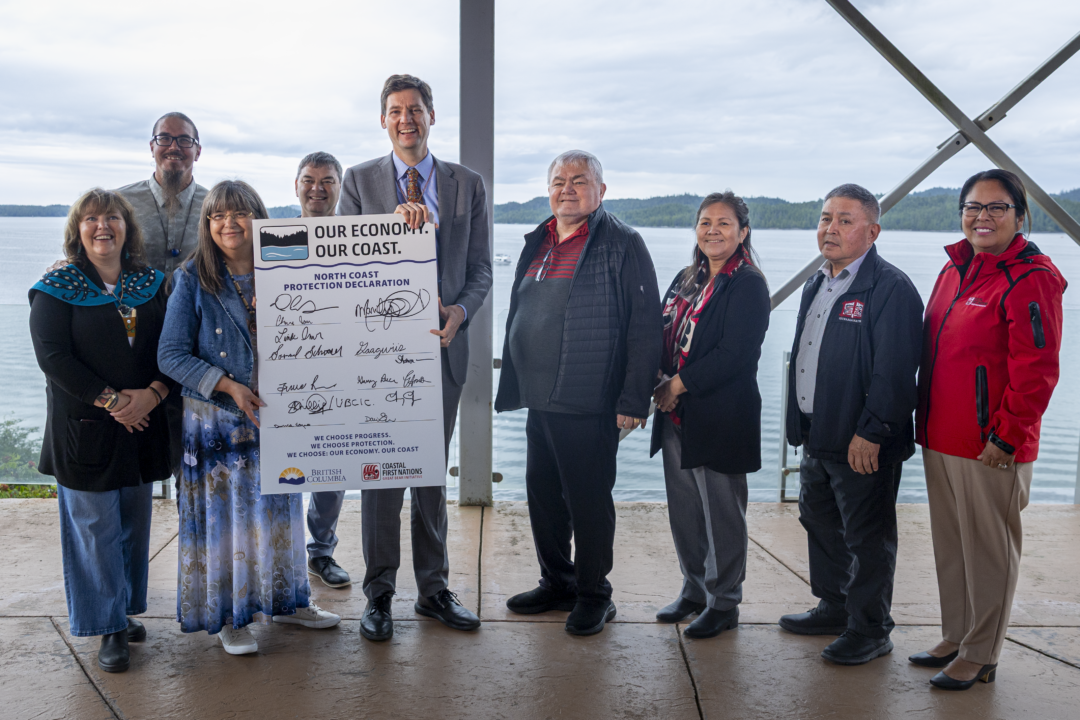
The ban, set out in the federal Oil Tanker Moratorium Act (Bill C-48), blocks tankers carrying more than 12,500 tonnes of oil from the waters between Vancouver Island and the Alaska border, including Haida Gwaii. Keeping it in place, Victoria News reported, makes a northern export route more difficult and a southern route more likely. In fact, BC has agreed not to challenge the newly proposed southern-routed pipeline in court. “We will not be going to court to fight a pipeline project,” Eby said, per Victoria News.
The announcement represents decades of work by Coastal First Nations to protect the North Coast
Marilyn Slett, President of Coastal First Nations–Great Bear Initiative and elected Chief of the Heiltsuk Nation
For Prince Rupert, Mayor Herb Pond framed the ban less as a job-creator than as breathing room. “I’m less driven by the notion that the tanker ban itself will create jobs,” Pond said, according to the Terrace Standard, adding that the city already has “an incredible amount of activity” to manage.
First Nations leaders cast the decision as the payoff for decades of advocacy. “The announcement represents decades of work by Coastal First Nations to protect the North Coast,” Slett said at the Prince Rupert event. When the deal was first announced on July 2, Slett — Chief of the Heiltsuk Nation — put it more plainly: “Today is a good day,” she told Vancouver Island Free Daily, adding that “the Great Bear Sea is no place for oil tankers.”
Haida Nation President Gaagwiis Jason Alsop tied the coast to the province’s identity. “When people think about British Columbia, they think about our coast, our oceans, Haida Gwaii and the Great Bear Rainforest,” he said in Prince Rupert. He has also described the outcome as a compromise, telling Vancouver Island Free Daily the alliance came “to find ways we can work together in partnership and find political balance,” but that “the risks to our homes were just too significant.”
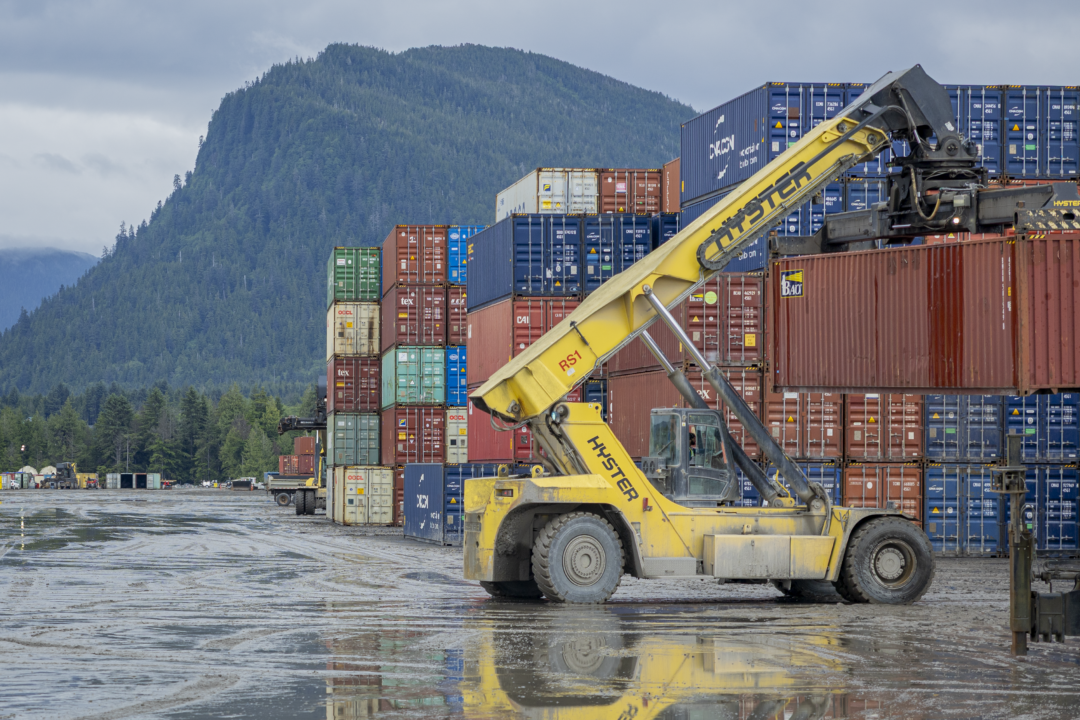
The July 2 agreement came bundled with roughly $20 billion in direct federal commitments, Victoria News reported, including up to $10 billion toward Roberts Bank port terminal upgrades near Vancouver, $3.5 billion for the North Coast Transmission Line and support for the Red Chris mine expansion, alongside a federal pledge to speed the permitting and financing of major LNG projects in BC.
What comes next is the pipeline itself, which has not been built and would still face environmental review wherever the oil ends up.