
 Skeena Admin
This op-ed is written by Marlo Shaw, an ecotourism guide based on British Columbia’s northern coast. The views expressed here are solely those of the author.
Here we are again, dragged back into a decades-old fight that British Columbians thought we had already settled. Once more, Alberta is pushing for a new “national interest” pipeline to move oil sands bitumen to the remote waters of the North Coast. But before anyone repeats political talking points about “unlocking new markets” or “helping the Canadian economy,” we need to ask a very simple question: Why this coast? Why now? And why are we being asked to gamble one of the last great wilderness regions on Earth for a project that doesn’t even have a proponent yet?
This isn’t just another energy debate. It’s a resurrection of a deeply polarizing idea that British Columbians have rejected time and again with overwhelming clarity, and for good reason.
What You Need to Know About the Current Tanker Ban
Most Canadians don’t realize this: the “tanker ban” does not apply to all of British Columbia. Vancouver is shipping liquid petroleum from Alberta almost every single day. In fact, right now the Trans Mountain project is moving 23 tankers per month, well below its intended capacity of 34 tankers. This isn’t an anti-oil, anti-industry wall around the entire province.
The ban protects only the North Coast, a region where navigation is extremely hazardous and spill response is uniquely difficult. The risks of any spill are not worth it. The northern coastline is culturally rich, ecologically irreplaceable, and economically vital to other industries such as fishing, logging, and ecotourism.
No matter how loudly critics shout “Liberal policy!”, the truth is that the roots of this moratorium stretch across decades, governments, court rulings, and scientific consensus. It is not new or radical. The “Tanker Ban” is hard-earned and reflects the will of British Columbians.
What You Need to Know About the New Proposal Being Floated
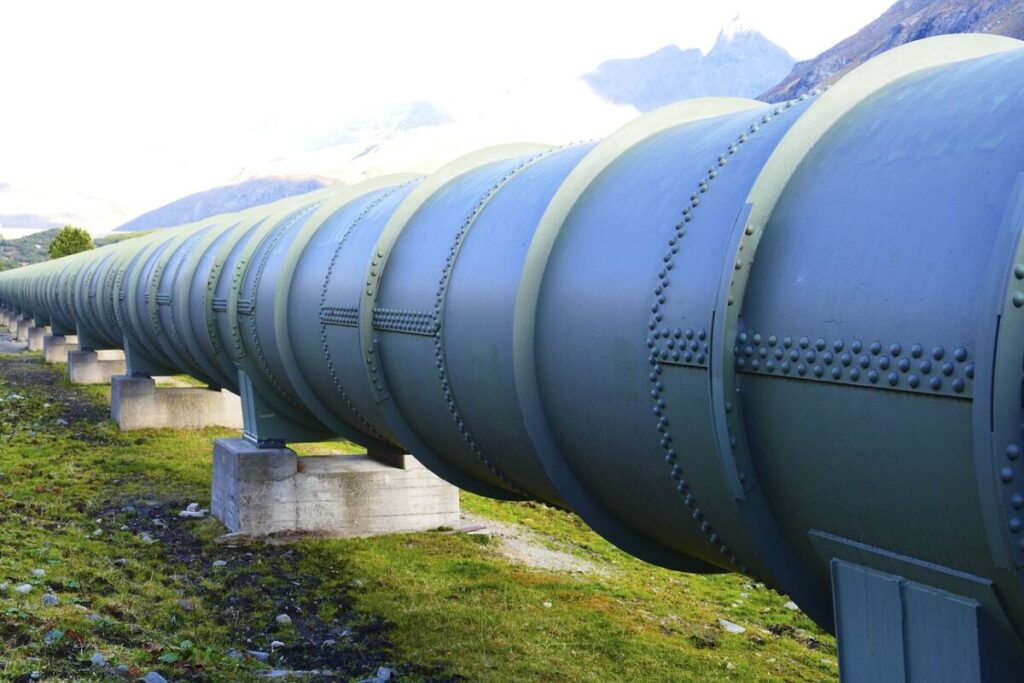
Alberta is pushing for a pipeline project to connect Alberta Oil Sands to the northern British Columbia Coast. The Terminus will likely be in the Kitimat or Prince Rupert area. This is where it gets bizarre. This project does not have a proponent; it does not currently have a funding source outside Canadian taxpayer dollars; and it will transport the form of oil that is most difficult to clean up: bitumen.
Instead of debating a full repeal of the bill C-48 “Tanker Ban”, politicians are now talking about offering a “special exemption.” That is like telling someone that it’s okay to pollute the drinking water just once. We still have to drink the toxic water. If we create a major project that results in daily tankers on the northern coast, there is no reason for Bill C-48 to exist. A special exception is meaningless comfort.
If Canada truly wants to move more oil to tidewater, the cheapest, safest, and most sensible option is the one industry already uses: utilizing existing southern infrastructure – not setting up something new and expensive on the northern coast.
Closing Thoughts
Trying to push bitumen tankers into the Great Bear Rainforest is not only reckless, but it also doesn’t make any sense.
This isn’t a debate between “pro-industry” and “anti-industry” people. Many of us support responsible development, innovation, and energy stability. But shipping risky raw bitumen through one of the most ecologically rich, culturally significant, and economically important regions on Earth? That isn’t pro-industry; it’s self-sabotage.
The truth is simple: this is a wedge issue masquerading as a nation-building project. Even if you welcome industrial projects in your backyard, how much national debt are we willing to pile on for another mega project? How much inefficiency are we willing to tolerate in the name of political theatre?
The North Coast of British Columbia is a thriving workplace for people in fishing, ecotourism, natural gas, and logging. It is a refuge for bears, whales, and salmon. It is a pantry. A sanctuary. A cultural homeland. We cannot afford the unnecessary dangers associated with risky bitumen shipping.