
 Sally Wang
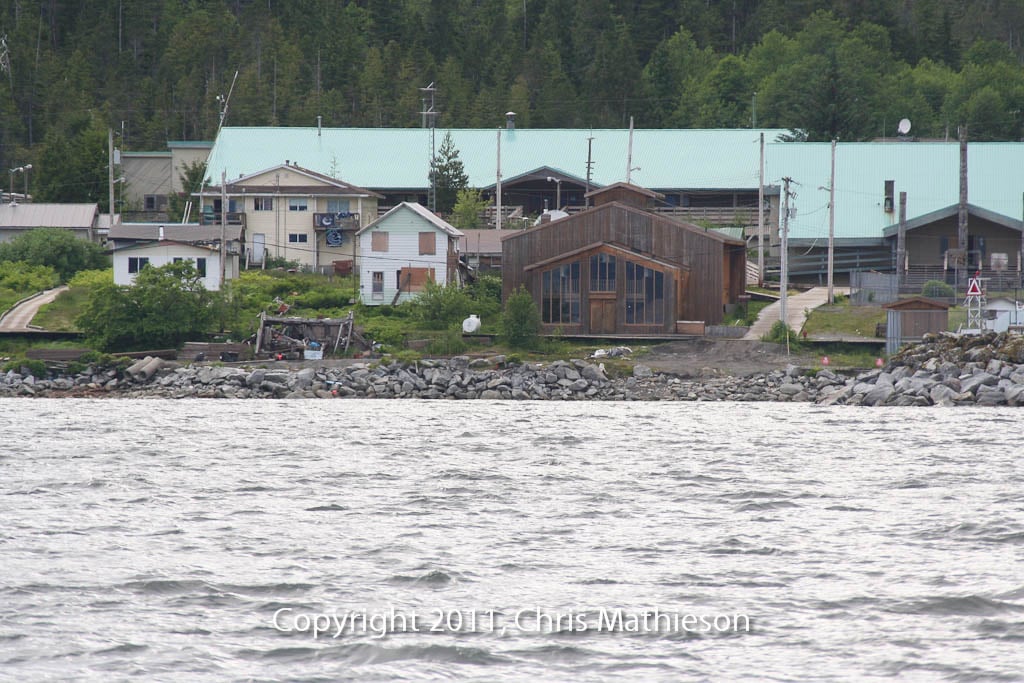
In Hartley Bay, deep in Gitga’at territory, Leona Wilson-Ridley learned early that a family’s livelihood could rest on the strength of a wooden skiff and the hands that built it. She remembers cedar shavings curling at her father’s feet, the hum of the outboard, and the quiet confidence of a man who navigated the coast by touch.
“Our Dad had an 18- to 20-foot wooden skiff with an outboard motor. He made his oars—it took him two weeks, and he taught me how to use electric tools and the chainsaw.”
Her father, Richard Wilson, was visually impaired, but that never stopped him from building what the family needed to harvest food from the sea.
“He made his own trolling poles and the block to put the wooden trolling poles in. He also made his own handheld wooden drum to wrap his gutline around, and he kept that close to his feet on the boat as we trolled.”
Passing Down Knowledge
Leona’s father organized his gear by touch, knowing exactly where each piece sat.
“He taught us how to shine his flashers with brasso, he connected his hooks with hootchies, snaps, and other items, and he had his tackle box organized [with] everything he needed while trolling. He saw with his hands [and] he made his own bailer and fish club, and he had a gaff hook,” she explained.
Leona and her siblings would go out and help their father with fishing.
“When we went trolling, as Dad connected the gas tank to the motor, I would sit in the stern and bail the water out,” she said.
When the boat ran low, she was ready. “He would ask us to pass him the club or the gaff hook when he caught a big wild salmon. He would also go jigging for halibut, black cod, and red snappers,” she said.
The Coast is Community
Spring meant seaweed camp—another seasonal foodway that once anchored coastal life. “In springtime, it was the seaweed camp. I went once, climbing rocks, picking seaweed, and drying [them] on the rocks.”
The camp lasted two to four weeks, and it was a time for gathering far more than seaweed. Longlines went into the water for halibut, families prepared fish strips from shared catches, and people moved along the shoreline collecting abalone and sea prunes—it was all part of preserving their traditional harvest for the year.
Summer also brought the excitement of fishing derbies—community competitions woven into the social fabric of the North Coast.
In villages like Hartley Bay, these derbies were part celebration, part mentorship, and always a measure of local pride. As Leona put it, “Please brag about our Dad, he won the fishing derby all the time.”
For many families, the derbies were a way to pass down skill and confidence on the water. Elders and parents taught children how to watch a rod tip, how to keep tension on the line, and how to honour the salmon that sustained their households.
These gatherings marked the season as much as the runs themselves, offering kids the thrill of seeing their parents recognized for their skill and the deeper lesson that fishing was something carried through generations.
Living by Trade, Tide, and Seasonal Food
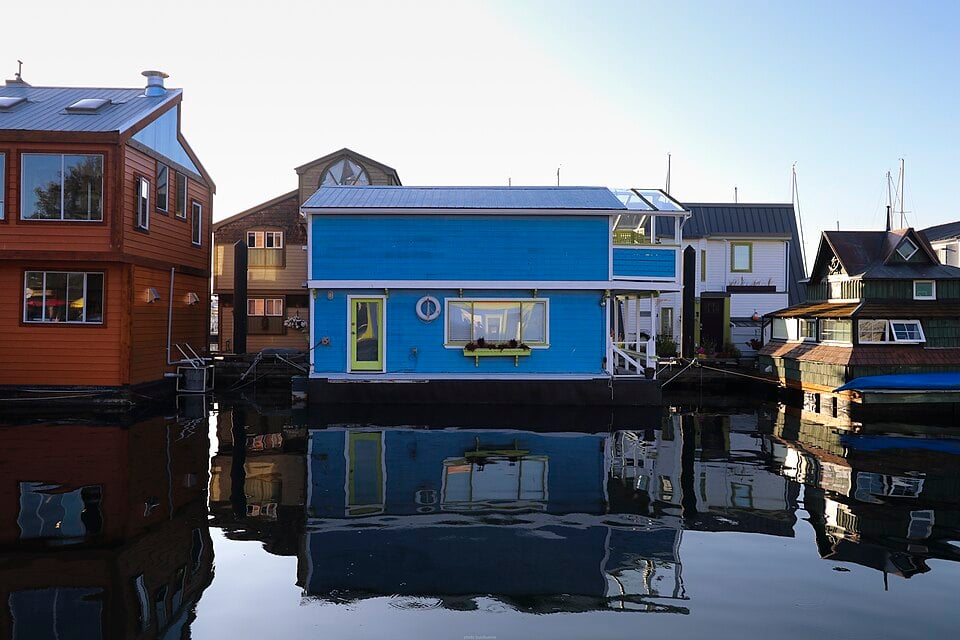
Her father sold salmon in the summer months—not for cash, but for a system that predated regular currency in many remote communities. “In the summer months, our Dad trolled and sold his fresh-caught fish to a floating store/fresh fish buyer… there was no cash currency. Our Dad received a book of coupons.”
For the children, the trip to the barge was magic.
“As kids, we enjoyed the ride out on Dad’s boat to go sell the fish and buy dry goods, like a slab of smoked back bacon, brown beans, pilot biscuits, lard, yeast, flour, sugar and salt for making bread,” she said.
Mom was also a key part of the family’s survival. “Many items were seasonal that our parents purchased, like a case of fresh peaches, apricots, and cherries. Our mom would preserve them.”
Autumn brought new tasks. “In October, our Dad and oldest brothers would go digging for clams and cockles. Mom would shuck the clams, steam the cockles, and smoke them. She also jarred the traditional foods.”
These were not hobbies. They were the backbone of coastal survival—the interlocking seasonal practices that shaped generations.

Being Shaped by the Coast
When Leona recalls bailing seawater from the stern as her dad rigged his hand-carved trolling poles, she is describing more than a childhood. She’s describing the systems that sustained her community: the unspoken knowledge, the improvisation, the labour, and the deep connection to place.
Her parents—father carving tools for fishing that he could not see, and mother preserving food for the coming winter months—built more than their household. They built the skills and self-sufficiency that their children carried into adulthood.
The landscapes of British Columbia were once shaped as much by jars cooling on tables and skiffs loaded with longlines as they were by mills, roads, or canneries.
Leona’s story reminds us that behind every meal, every filled jar, every fish line drawn through salt water, there were hands—skilled, tired, capable hands—doing the work to feed a family.


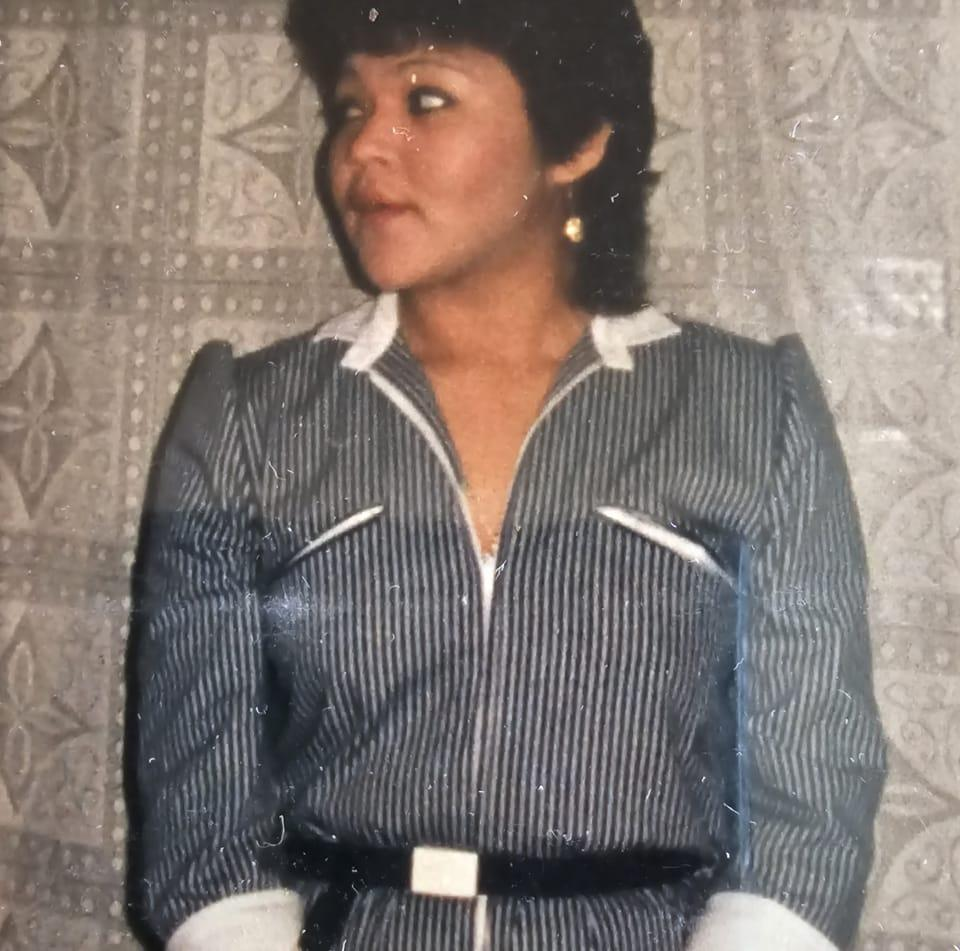
My dad..I’m the youngest ,but knowing traditions ,have been asked if I’m the oldest
I’m very happy to read this and be reminded of Dick and Mildred.
Dick was also a great singer. I think music was another integral part of life in those generations that helped Our Peoples find balance and to be part of a connected community. I have recordings of him singing at the annual New Years Eve show.
Thank you ! This lovely text brought wonderful memories of childhood..I could feel the pride and love for all that you lived..Best wishes*
Thank you for writing this article. I really enjoyed the education, but also the positive advocacy by sharing how normal and functional Richard Wilson was despite bring visually impaired. It’s obvious how liked and respected he was. Your article also brought back fond memories for me. Although not indigenous, my family would spend summer time on the east coast of Maine, USA. Dad & uncle were teachers and got to share a family cabin. To afford to feed 4 adults and 8 kids, we harvested fruits & vegetables, fished, clammed & picked seaweed. We also did a lot of canning. Although I was a girl, I got to go out in the rowboat fishing with Dad, uncle, brother & cousin. We mostly caught flounder in the bay, but we also caught some other fish. We also bartered with neighbors. In short, I could relate to a lot of what you covered. I would love to read more articles like this!
Wow, so interesting! Thank you!